Massachusetts Gun Laws: What Buyers Need to Know in 2026
Massachusetts runs one of the most structured firearm systems in the country. Almost everything turns on a single point: you need a state licence before you can possess, buy or take delivery of a firearm or ammunition. Get that part right and the rest of the process is straightforward. This guide walks through the licensing system, what the 2024 Firearms Act changed, how a purchase actually works, and the rules that catch new owners out. It is current as of September 2026.
The licence comes first
Two documents do the work. A Firearms Identification card, usually called an FID, lets the holder purchase, possess and carry rifles and shotguns that are neither large capacity nor semi-automatic, together with ammunition for them. A License to Carry, the LTC, is the broader licence: it covers handguns and large capacity firearms, allows concealed carry, and is what most adult buyers hold. Both are issued under Chapter 140 of the General Laws by your local licensing authority, which means the chief of police in the city or town where you live. There is no county sheriff step in Massachusetts.
An FID is available from age 18, and from 15 to 17 with written parental consent. An LTC requires you to be 21. Both now cost $100 in most cases and run for up to six years, expiring on the holder's birthday. Full detail on applying sits in our LTC and FID guide.
What Chapter 135 of the Acts of 2024 changed
The 2024 Firearms Act, formally Chapter 135 of the Acts of 2024, is the largest rewrite of Massachusetts firearm law in decades. Governor Healey signed it in July 2024 and added an emergency preamble, so most of it took effect on 2 October 2024, with further pieces phasing in through 2026. The main points for an ordinary buyer are these.
- Licensing was consolidated into a new section, Chapter 140 section 121F, which sets out one application process, one fee schedule and one definition of who counts as a prohibited person.
- The old open-ended 'suitable person' test was replaced with a written standard. A denial for unsuitability must rest on reliable, articulable and credible information that the applicant has behaved in a way suggesting a risk to public safety or to themselves or others.
- The FID was narrowed. It no longer covers semi-automatic rifles and shotguns, which now sit on the LTC side of the line.
- Basic firearms safety courses were expanded. From 2 April 2026 an approved course must cover storage, Massachusetts law, use of force, suicide prevention, disengagement and live fire.
- A statewide electronic registration system was created under section 121B, alongside a serialisation requirement under section 121C. Guidance from the Executive Office of Public Safety and Security sets the compliance date for both at 28 October 2026.
- The definition of an assault-style firearm was rewritten around an enumerated list, a copies-and-duplicates test and a two-feature test, with 1 August 2024 as the grandfather date in section 131M.
- Carry was barred in more places, including schools, government administrative buildings and polling locations.
One important caveat: Chapter 135 is the subject of a veto referendum. It appears as Question 9 on the 3 November 2026 state ballot, where a yes vote keeps the law and a no vote repeals it. The law is in force in the meantime. The Secretary of the Commonwealth publishes the official summary in the 2026 Information for Voters booklet.
How a purchase works
Order online, choose a Massachusetts dealer, and the firearm ships to that dealer rather than to you. At pickup you present your FID or LTC, the dealer verifies it, you complete the federal Form 4473, the dealer runs the background check, and the transfer is recorded through the Massachusetts Gun Transaction Portal. Private sales and inheritances are reported through the same portal. Massachusetts imposes no separate waiting period; the licence is the vetting step.
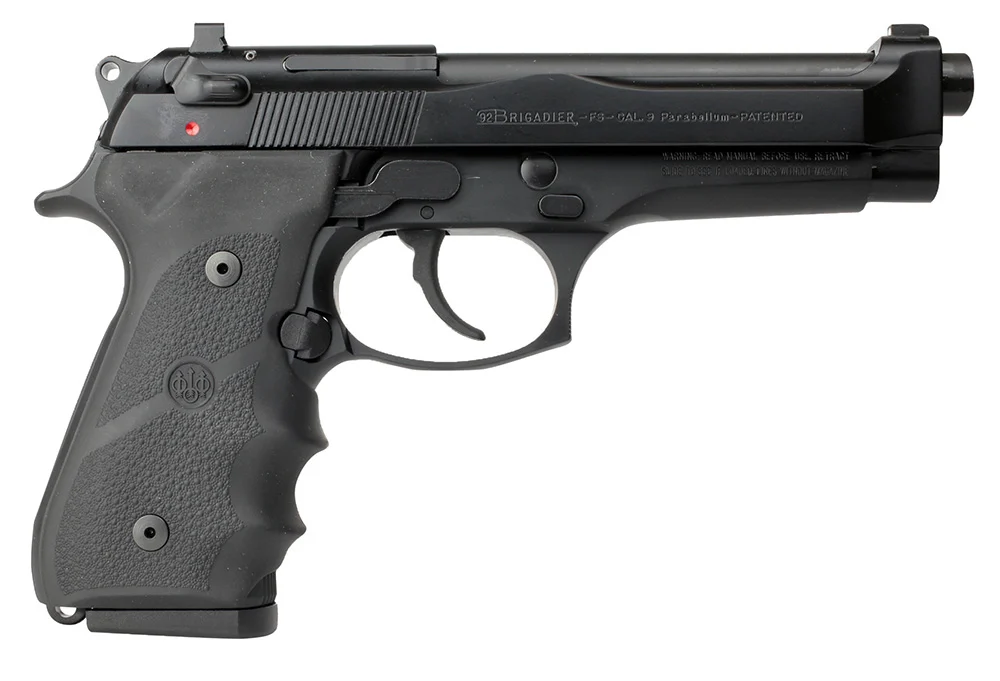
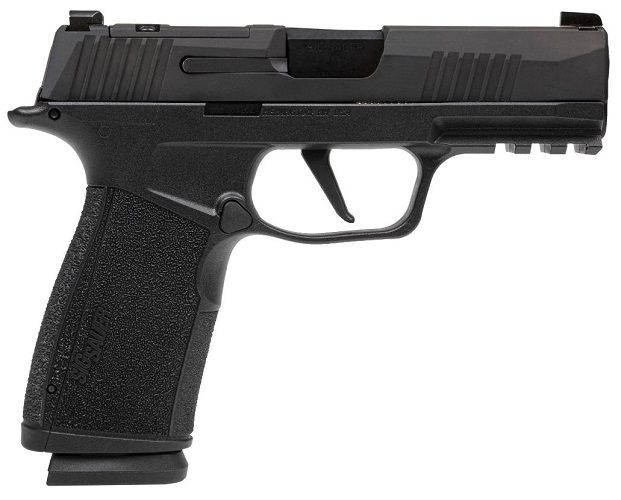
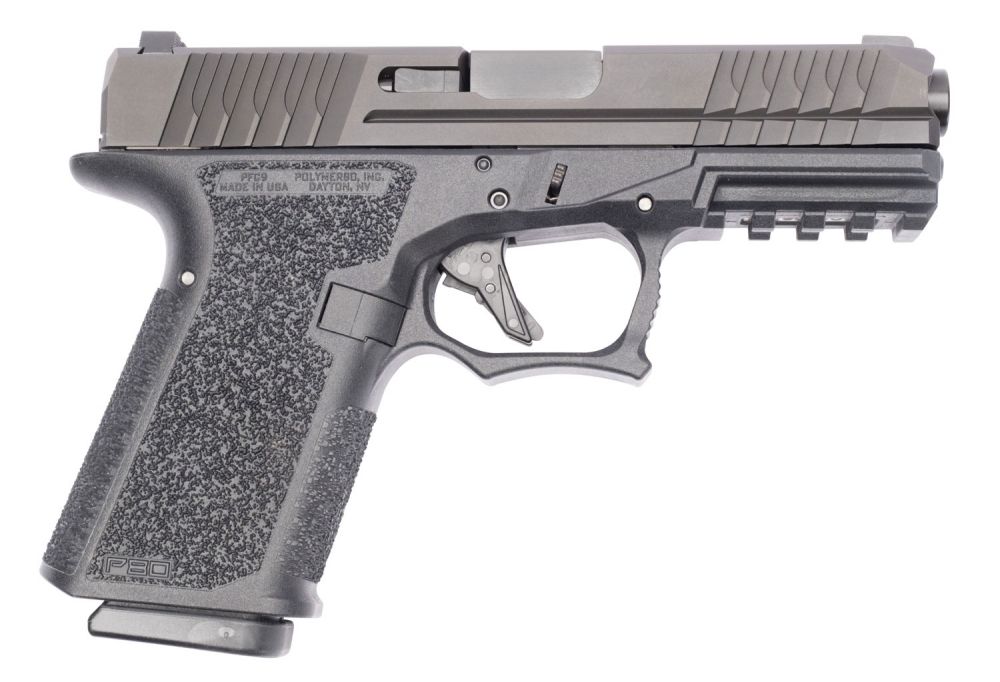
Two filters decide what a dealer can actually hand over. Handguns must appear on the Approved Handgun Roster published by the Executive Office of Public Safety and Security, and separately must satisfy the Attorney General's handgun sales regulations at 940 CMR 16.00. Those two lists do not overlap perfectly, which is why a model sold freely in New Hampshire may be unavailable here. Our roster guide explains how the two interact.
Magazines and assault-style firearms
A large capacity feeding device is any magazine, drum or belt able to accept more than ten rounds of ammunition or more than five shotgun shells. Devices not lawfully possessed on 13 September 1994 cannot be sold, transferred or possessed, with narrow exceptions. Assault-style firearms use a different cut-off, 1 August 2024, and a lawfully held one must be registered and serialised and the owner must hold an LTC. Parts of the definition, particularly the copies-and-duplicates language, are being litigated in federal court and remain enforceable while that continues.
Storage, transport and carry
Section 131L is the rule most likely to catch a new owner. A firearm that is not carried or under your direct control must be secured in a locked container or fitted with a tamper-resistant mechanical lock. This applies at home, not only in transit. In a vehicle, a handgun must be under your direct control or in a locked case, and rifles and shotguns must be unloaded and in a case. Carrying a loaded handgun in public requires an LTC, and Massachusetts does not honour licences issued by other states. Visitors should read section 131F on the non-resident temporary licence before travelling with a gun.
Ammunition
Ammunition needs a licence too. An FID covers ammunition for the long guns it permits, and an LTC covers ammunition generally. Massachusetts dealers may not fill mail, telephone or internet ammunition orders without an in-person licence check, which is why ammunition is handled through a Massachusetts dealer rather than being sent to a doorstep. Optics, cleaning gear, cases and most parts are not restricted and ship normally.
Where to start
If you do not yet hold a licence, book an approved safety course and apply through your local police department. If you already hold one, browse the shop, pick a dealer from our Massachusetts gun shop pages, and check the deer hunting guide if you are buying for the autumn seasons. First time buying a long gun is covered in our first shotgun guide.
This page is general information, not legal advice. Massachusetts firearm law changes often and parts of it are in litigation. Everything here is current as of September 2026; check the Massachusetts General Laws at malegislature.gov, the Firearms Records Bureau pages at mass.gov and your own local licensing authority before you act.
General information, not legal advice. Current as of September 2026. Laws change; check the official source before you act.